
Published books by other publishers or self-publishing authors, with our help as designer-typesetter.
On the TRAIN – Poetry
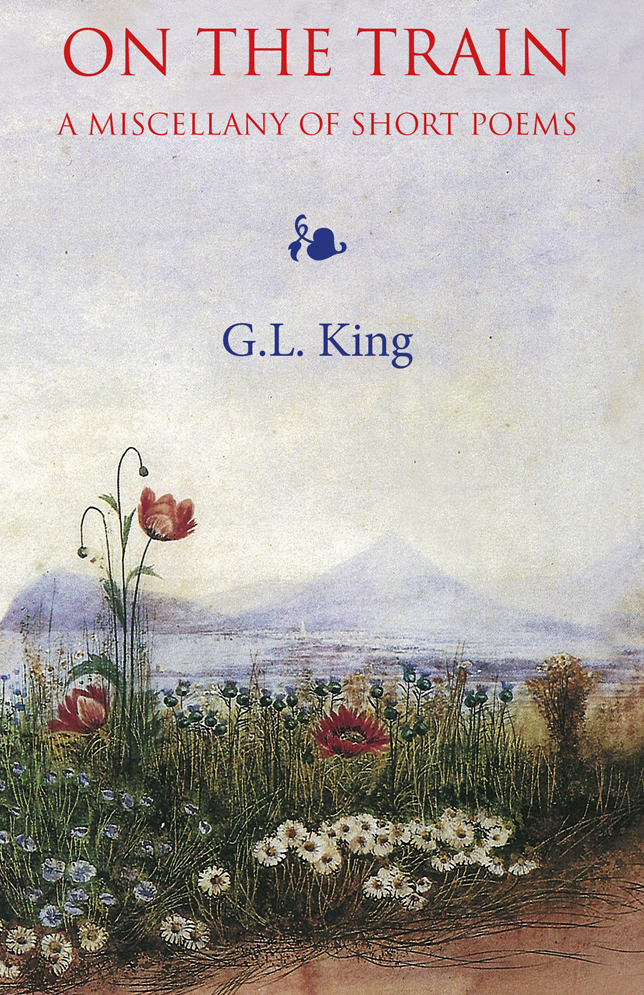
On the train. The seeds of these short poems were sown during journeys on Ireland’s iconic East Coast Railway from Rosslare, Co. Wexford to Dublin. I hope that the everyday travels and commutes undertaken by my esteemed readers and fellow passengers, as we make the longer journey towards our final destination, prove more and more to be journeys of wonderment and delight in the world of the ordinary and everydayness all around us. G.L. King.
memories musings meditations
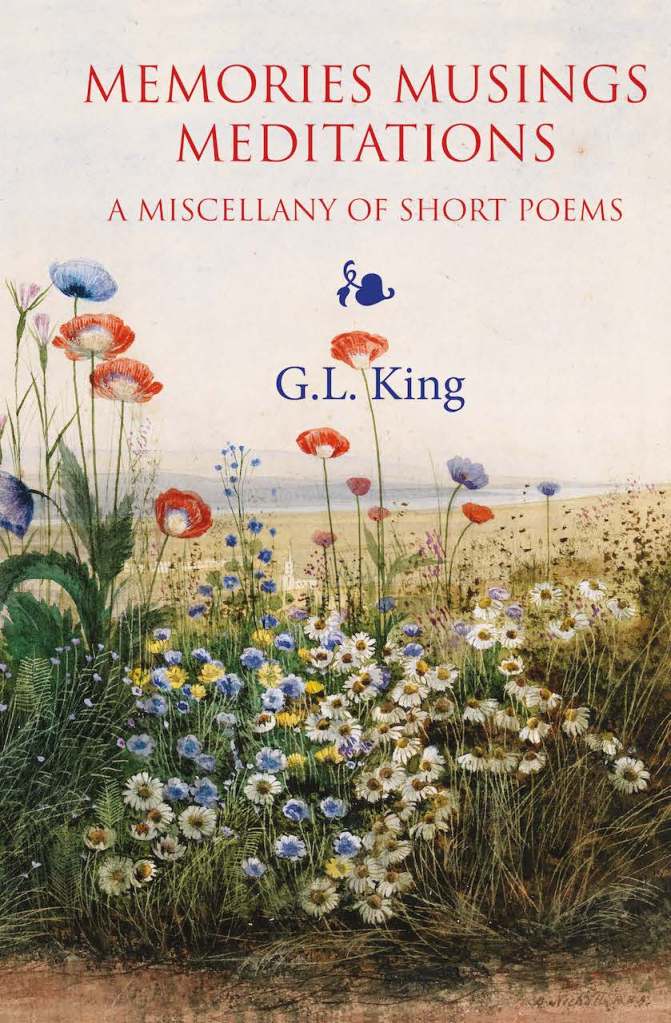
Still your mind . set it free . and let . the wings of silence . take flight
Lest we forget . . . – History

Lest we forget … Many men from Wells signed up to fight in World War One. They came from all walks of life. Some expected to do their duty for a short space of time only, believing that the war would be over by Christmas; others joined up later in the war. Between them they had very varied experiences.
Some died early in the war whereas others nearly made it through. Some died of illness shortly after the war. Some never left England, whereas others fought as far away as East Africa. Some were born and brought up in Wells, whilst others were born abroad.
However, they all had one thing in common – they died for their country and are now names on the Wells War Memorial. This book brings to life the names on the memorial and, where possible, gives detail of the life they led and the family they left behind.
Psallite Sapienter: The Liturgy of the Hours – Religion
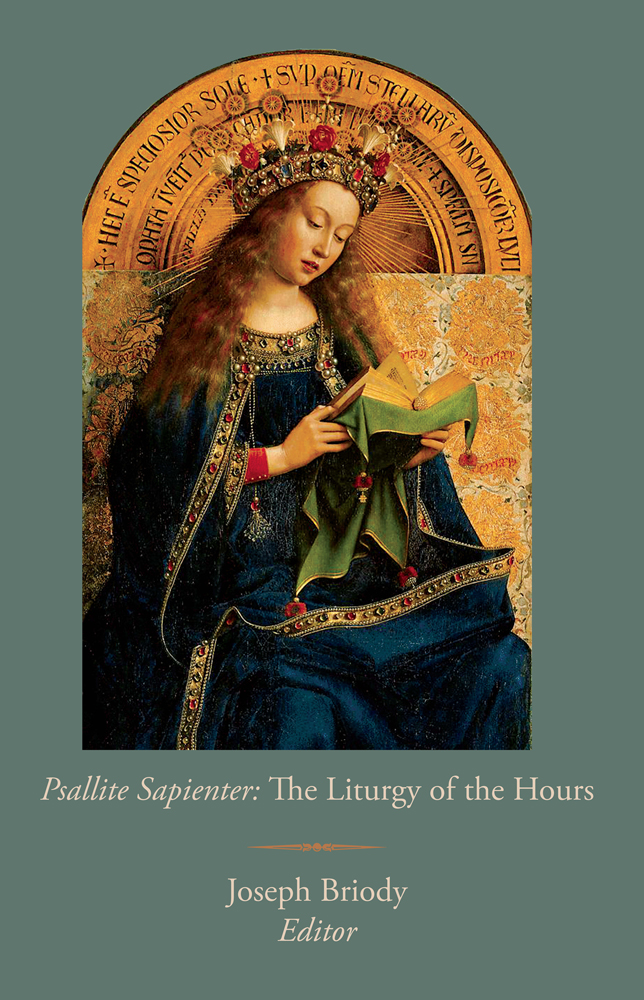
Psallite Sapienter: The Liturgy of the Hours is a polydisciplinary study of the Church’s constant prayer, the divine office or the liturgy of the hours. Touching on the origin and development, it illustrates the manner in which the psalm cursus evolved, the biblical, hagiographical and patristic readings were chosen and adapted for use in the divine office, as well as identifying the principles underlying the various reforms undergone by the Breviary throughout its long history. It shows the importance of antiphons and hymns for the sung office. The role of Sacrosanctum concilium is considered along with some aspects of the post-conciliar reform of the office and the application of the principles established in the conciliar texts.
Memoirs of a small town solicitor – Biography

Memoirs of a Small Town Solicitor is the story of Christopher’s life, during which he practised as a solicitor in Zimbabwe for 47 years. Do not be misled by the title of the book. Apart from his life as a solicitor it encompasses his experiences as a mountaineer, a Commissioned Officer in the Rhodesian armed forces, a part-time policeman, an actor, his activities as a Rotarian, his first marriage in Switzerland and subsequent honeymoon in Vienna and Budapest, his participation in Law Society Conferences in Venice, Vancouver, Pittsburg and Inyanga, as well as incarceration in a Zimbabwe prison. It also deals with his second marriage to Wendy.
Memoirs of a Small Town Solicitor is lavishly illustrated with colour photographs and contains amusing anecdotes, moments of terror, sadness, joy, and should appeal to anyone who reads it.
† Christopher Kavanagh passed away on 29 September 2016.
Letting go – Poetry & Religion
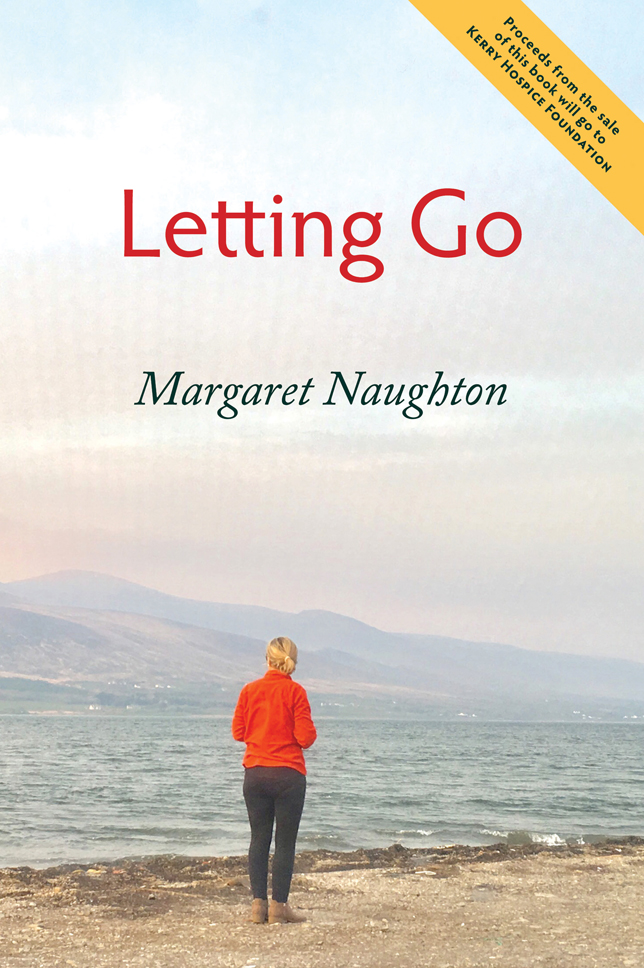
In Letting Go, Margaret Naughton writes with courage as she explores her personal journey from hope to loss of hope, from faith in God, in herself and in the world, to doubt, loss of belief and despair. Her writing is honest and raw as she asks God to show Himself to her, a person who wants more than anything to believe in His existence.
So often God seems absent and Margaret doesn’t hold back from calling Him to task. However, as she explores the darkness that envelopes her during these periods, she learns that God is, in fact, always there; it is our own blindness that prevents us from seeing Him and feeling His presence in our lives. Margaret writes eloquently about how, even in the midst of despair, we mustn’t give up searching. She learns that we must give up the ‘unwinnable’ war, the forever striving for that which we do not have. She sees that, paradoxically, it is only by letting go of the fight that we actually win.
Having journeyed through doubt and pain, Margaret’s poetry brings her, and the reader, to a place of stillness and acceptance, recalling the verse from Psalm 46:10, ‘Be still and know that I am God’. In this place, we become free to accept the peace and joy that are already around us, waiting to infuse our life with their presence.
The sway of contentedness – meditation & contemplation
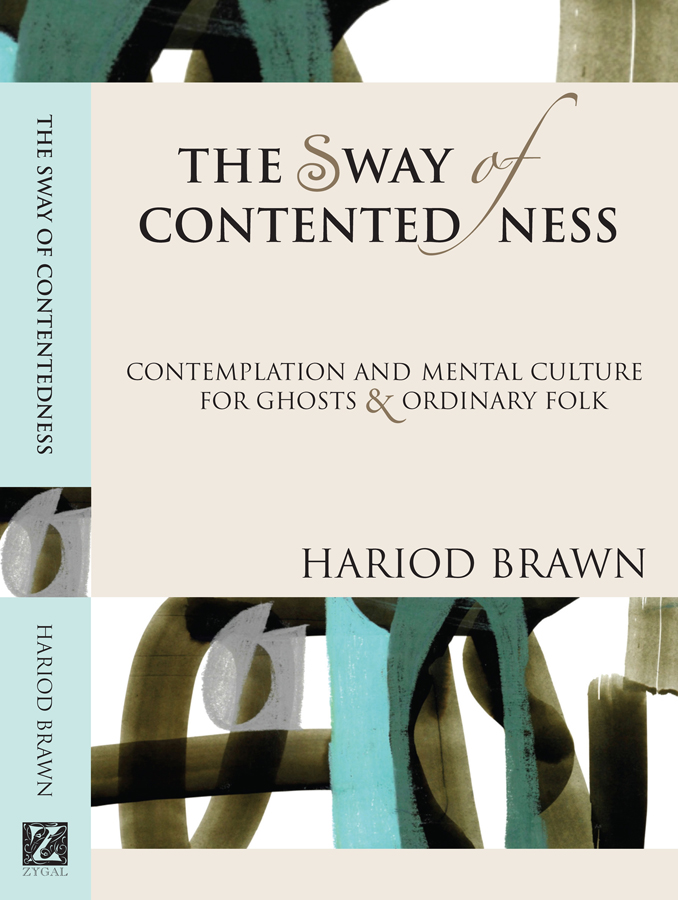
The Sway of Contentedness is an engaging study of a recondite though pivotal aspect of much ordinary activity – the subtle influencing of our neglected yet innately reposeful state. How may we access this stratum of being whilst remaining actively engaged societal and familial participants? This question is resolved by discerning our authentic identity, which subsists prior to the overlay of selfhood and its naïve narrative beliefs. The resolution comes about progressively in the development of our mental culture, and is largely facilitated through a contemplative exploration of everyday activities.
In this book, the author deftly and straightforwardly details a simple contemplative method of coming to understand our own mind and egoical self-conception. Using a take on a representationalist model of knowledge and mind, the method requires no special skills or intellectual capacity beyond a relaxed and enquiring outlook. The text avoids any allusion to the mysterious, the arcane, the esoteric or the spiritual, instead adhering to what can be known and verified in direct experience. Resultantly, no belief is required in the least and all new understanding is firmly and unequivocally established.
Perhaps the antithesis of any self-improvement guidance, this book neither enhances nor affirms any self-conception. Rather, what is enumerated is the means by which the phantasmal self-entity may at first be subdued and later voided. In its place, our authentic identity is progressively ascertained, this being free of any egoical, pernicious and naïve narrative formations. The haunting of selfhood with its rapacious acquisitiveness and oppressive egoical control is relinquished, and the repose of contentedness may be fully realised in the tranquil and authentic ordinariness of non-duality in being.
Possibilities with love from the angels – Poetry
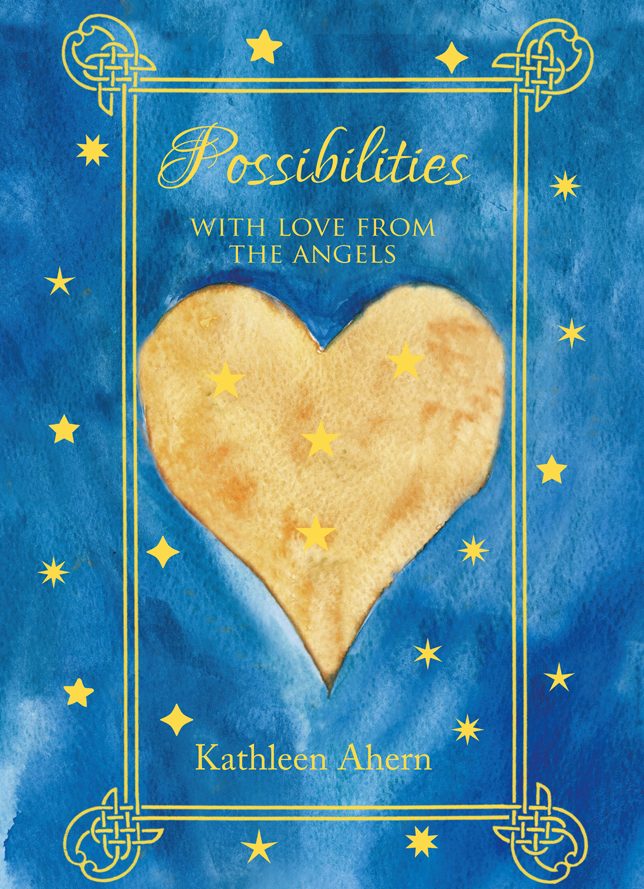
Possibilities with love from the Angels is a book of poems about life’s journey. It is a mixture of joy, sadness, hope and contemplation, love and laughter. There is a message for each person and the miracle of who you are, and as the pages unfold, may it turn a key inside of you and may you realise that you are never alone and just how powerful you truly are. Be free and dance in your own sunlight.
Nano’ s Pilgrim artist – Art & Religion
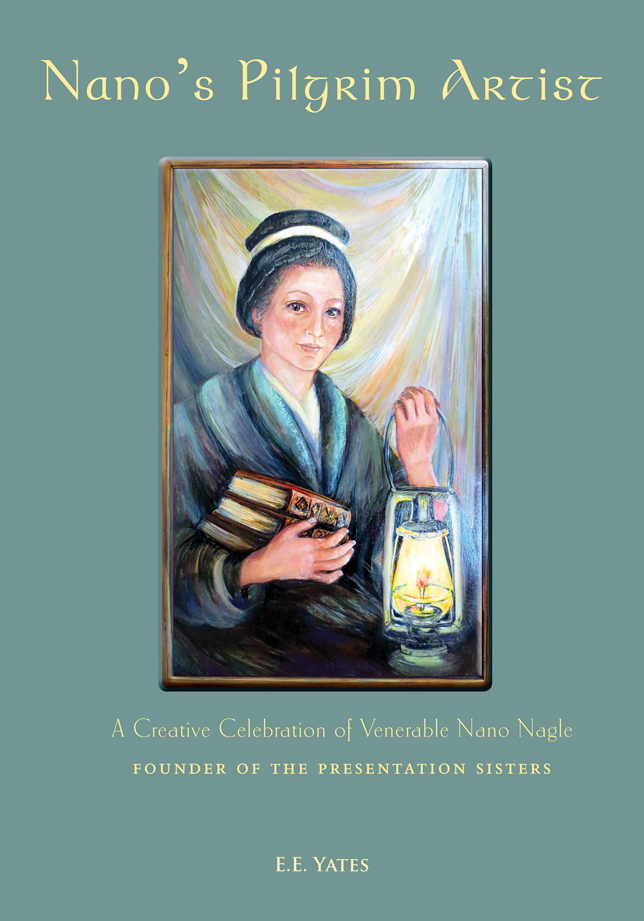
Nano’s Pilgrim Artist — A Creative Celebration of Venerable Nano Nagle, founder of the Presentation Sisters, gives us a glimpse, through the medium of art and prose, into the different aspects of Nano Nagle’s life, the society of her time and the influence she continues to have across the globe through the thousands of Presentation Sisters, co-workers, Associates and Friends of Nano who continue to hold the flame against the wind. You will be inspired and entertained as you glimpse the inside story of a year of travel and painting, led by artist Ella Yates, beginning in September 2013 in England and moving on to the Philippines, New Zealand and Tasmania. Ella worked with Presentation communities in all these countries, creating wonderful works of inspiring art. The creative celebration culminated in the creation of the final, beautiful portrait of the ‘Young Nano’ with the local children of Ballygriffin, County Cork, Nano’s homeplace. American born artist and writer Ella Yates has painted over one hundred community murals in schools, churches and urban settings around the world. Her artwork ranges in scale from the size of a door to over six storeys on urban buildings. She works with some of the world’s most renowned muralists, including John Pugh, Meg Saligman, Dave Gordon, Leo Tanguma and Susan Dailey. She is a graduate of the University of Northern Colorado and of Accademia del Giglio and Oro e Colore, Florence, Italy.
Kilcummin – Irish Local history

Kilcummin. Folk, Land and Liberty. This publication is the first dedicated history of Kilcummin to be written in twenty years. In Kilcummin: Folk, Land and Liberty, Conor Doolan recounts the extraordinary stories of the parish’s rich and fascinating heritage. During the course of his research, he has unearthed a wealth of local history. Presented here is a detailed collection of antiquity from ancient times right through to the present day, with the story of Kilcummin placed neatly in the wider context of Ireland’s history. This text aims to be a compelling contribution to the historical record of this storied parish and will act as a wonderful genealogical resource for locals and the diaspora.
Archival sources such as Griffith’s Valuation, the 1901 and 1911 Census, and Ordnance Survey maps have all been cross-referenced in fine detail to paint a vivid picture of the post-Famine and pre-Independence era in Kilcummin. Local landmarks, placenames and field names are documented here for future generations so that they may gain a greater understanding of their natural environment in the rural hinterland of Kilcummin. Alongside the historical record are photographs, songs, recitations, and folklore collected down through the years by the author.
Momentous eras, such as the Land War and the Irish Revolutionary Decade, are given the special consideration which they deserve. The meandering journey of our Christian Built Heritage, from the medieval ruins at Glebe to modern times in Clashnagarrane, is precisely retraced. The forgotten rebel women of Cumann na mBan, the outcast servicemen of World War One and the Royal Irish Constabulary are all remembered here.
Historian Conor Doolan delicately weighs up local memories and carefully reviews archival material with a fair and open mind. Kilcummin: Folk, Land and Liberty will keep the flame alive for the grand and noble work conducted by future generations of historians and genealogists.
Tails of Hamelin – Art & children story
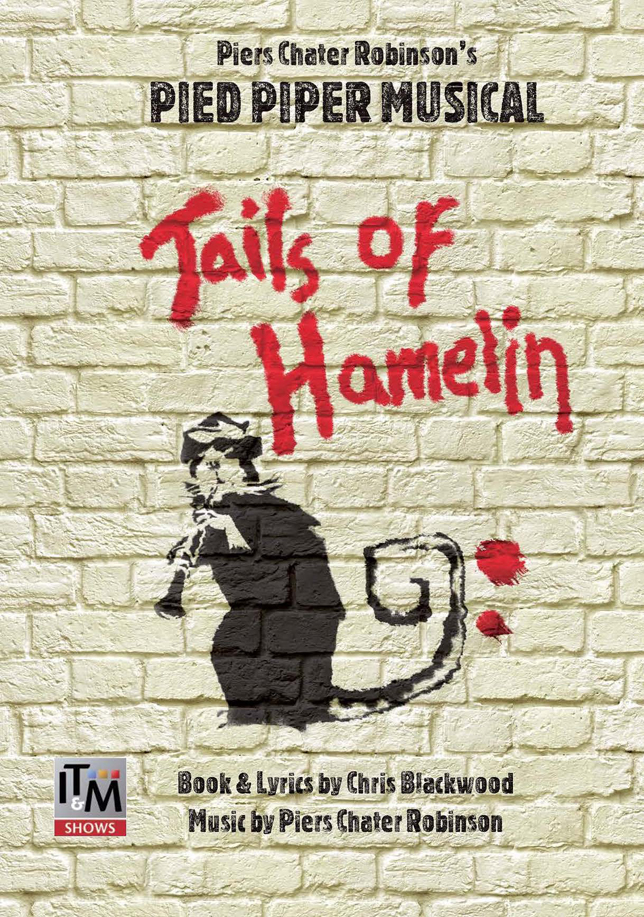
In the church of Hamelin, dated from c.1300, there was a stained-glass window described in many accounts between the 14th and 17th century which seems to have depicted a tragic historical event in the town. Unfortunately, the original window was destroyed in 1660, but a modern reconstruction based on these accounts now graces the church with its colourful depiction of the Pied Piper and children dressed in white.
In 1384, it was stated in town records that ‘It is 100 years since our children left’. No explanation can be considered true but from this event myth and folklore, as is often the case, grew.
Amongst these tales, the most enduring is the tale of the rat infestation and the bargain the town strikes with the mysterious piper to rid them of the plague.
This was to be our next challenge; a completely sung-through musical based on the well-known story with a moral. . . .
 Dulcote Press